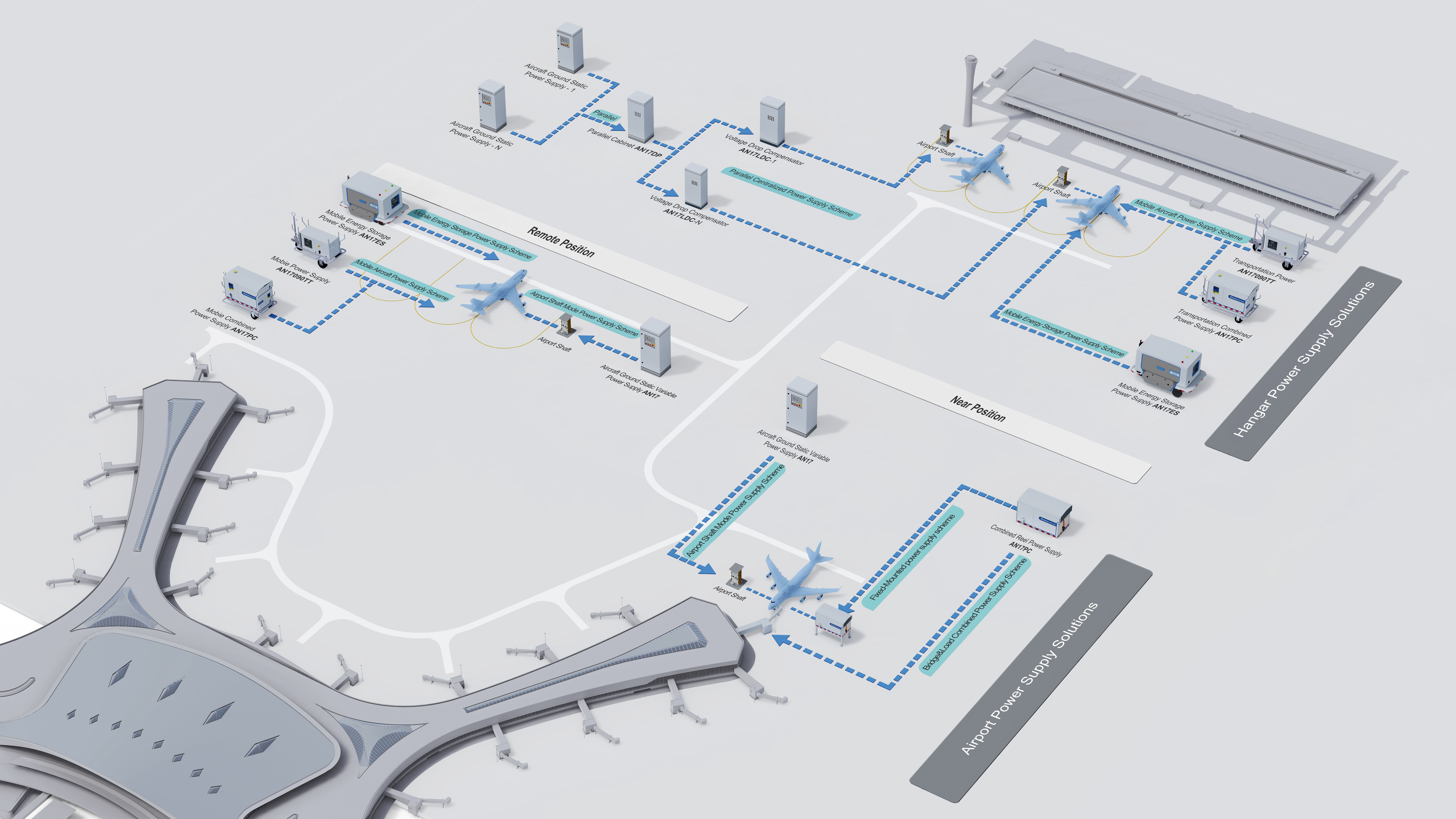
General Aviation Aircraft Power Supply Solutions
General Aviation Aircraft Power Supply Solutions
General Aviation (GA) aircraft rely on reliable power supply systems to support avionics, lighting, communication, and other essential electrical systems. Below are the primary power supply solutions used in GA aircraft.
1. Primary Power Sources
A. Battery Systems
-
Lead-Acid Batteries: Traditional and cost-effective, used in many GA aircraft (e.g., flooded or sealed types like Concorde RG-series).
-
Lithium-Ion (Li-Ion) Batteries: Lightweight and high energy density (e.g., EarthX ETX series), but require specialized charging systems.
-
Nickel-Cadmium (Ni-Cd) Batteries: Durable and high-performance but less common due to maintenance requirements.
B. Alternator/Generator Systems
-
Engine-Driven Alternators: Most GA aircraft use belt-driven alternators (e.g., 14V or 28V systems) to supply power while the engine is running.
-
Permanent Magnet Alternators (PMA): Used in some light aircraft for simplicity and reliability.
-
Auxiliary Power Units (APUs): Rare in GA but found in high-end turboprops/business jets.
2. Backup Power Solutions
-
Standby Batteries: Provide emergency power for essential systems (e.g., avionics backup).
-
Ram Air Turbines (RATs): Extremely rare in GA, mostly in larger aircraft.
-
Solar Panels: Experimental or light-sport aircraft may use solar for auxiliary power.
3. Power Distribution & Regulation
-
Voltage Regulators: Ensure stable output (14V or 28V) from the alternator.
-
Bus Bars & Circuit Breakers: Distribute power and protect electrical systems.
-
Solid-State Power Controllers (SSPCs): Modern alternative to traditional fuses/breakers.
4. Emerging Technologies
-
Lithium-Ion with Battery Management Systems (BMS): Increasingly adopted for weight savings.
-
Hybrid-Electric Systems: Experimental GA aircraft are testing hybrid power solutions.
-
Fuel Cells: Under research for future GA applications.
5. Considerations for GA Power Systems
-
Redundancy: Dual alternators or backup batteries for safety.
-
Weight & Efficiency: Critical for performance, especially in light aircraft.
-
Regulatory Compliance: Must meet FAA/EASA standards (e.g., DO-160 for environmental testing).
Popular GA Power Solutions by Aircraft Type
| Aircraft Type | Typical Power System |
|---|---|
| Cessna 172 | 14V Alternator + Lead-Acid Battery |
| Piper PA-28 | 14V or 28V Alternator + Ni-Cd or Li-Ion |
| Cirrus SR22 | 28V Dual Alternator System + Lithium Backup |
| Diamond DA40 | 14V Alternator + Advanced Battery Management |
Conclusion
GA aircraft power systems must balance reliability, weight, and cost. Traditional lead-acid and alternator systems dominate, but lithium-ion and advanced power management are becoming more common. Redundancy and compliance with aviation regulations remain critical for safety.